-
No products in the cart.



Do THC Gummies Show Up on a Drug Test? Straight Answer
Do THC gummies show up on a drug test? Learn what urine screening targets, the cutoff levels that decide your result, and where the real risk actually sits.
TLDR: A 1:1 ratio means equal milligrams of CBD and THC in the same product, and it says nothing about total strength. The research does not support the popular belief that CBD reliably cancels out THC. Read the milligrams per serving, because the ratio alone will mislead you.
What 1:1 CBD to THC gummies means: each gummy carries the same amount of cannabidiol as delta-9 THC. A 1:1 product with 5mg of each behaves nothing like a 1:1 product with 25mg of each, so the ratio is the recipe and the milligrams are your dose.
You have seen the shelf talk. One to one is gentler. Three to one takes the edge off. Higher CBD means you stay clear-headed. It sounds like chemistry, and you deserve to know how much of it survives contact with an actual controlled trial.
I compared four controlled trials that tested CBD and THC together at different ratios. Every one of them still measured THC effects when CBD was in the mix. That is the finding the shelf talk leaves out of your decision.
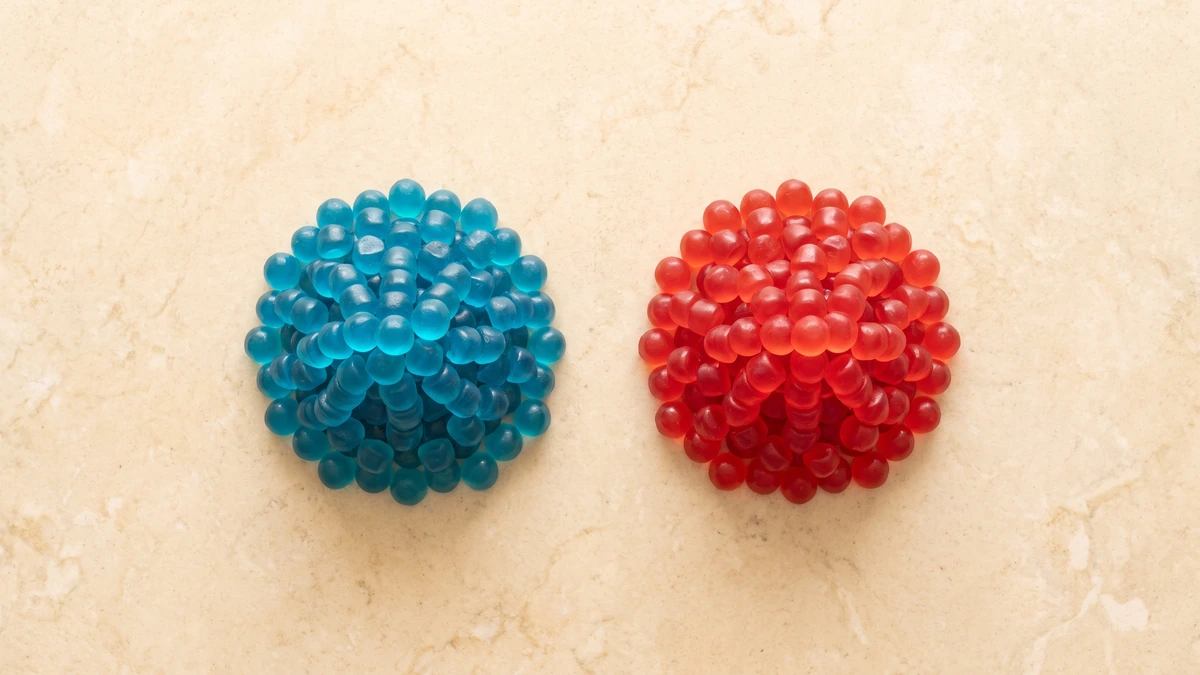
It is a proportion, nothing more. A 1:1 CBD to THC ratio tells you the product holds equal milligrams of each cannabinoid. It does not tell you whether that is 2mg of each or 20mg of each, and those two products will feel completely different.
Compare it to coffee strength. Knowing the ratio of water to grounds tells you the style of the drink. It does not tell you whether you are holding an espresso or a bucket. You still need the volume.
So read your label in this order every time. Milligrams of THC per serving first, because that is the number driving the experience. Milligrams of CBD second. The ratio last, as a description of the blend rather than a promise about strength.

This is the belief the whole category rests on, and the honest answer is that it does not hold up the way you have been told. A randomized double-blind crossover trial had participants inhale vaporized cannabis containing 10mg of THC with either 0mg, 10mg, 20mg or 30mg of CBD, giving ratios of 0:1, 1:1, 2:1 and 3:1. Adding CBD did not reliably protect participants across the measures.
A driving study points the same direction, and it should matter to you. Researchers gave participants 13.75mg of THC with or without 13.75mg of CBD and put them on the road, benchmarking lane-keeping against calibrated blood alcohol levels. The trial ran with 26 randomized participants and impairment did not disappear because CBD was present.
It gets more pointed, and this is the part you should weigh. A 2024 clinical pharmacology trial found that CBD increased the psychotropic effects and plasma concentrations of delta-9 THC without improving pain relief. That is the opposite of the buffering story.
There is a real finding on the other side, and you should know it. An earlier 2013 study reported that CBD inhibited THC-elicited paranoid symptoms and memory impairment. The difference is timing and route, because that study pre-treated participants rather than co-formulating the two in one gummy. For the ratio products you buy, the co-administration trials are the more relevant evidence.
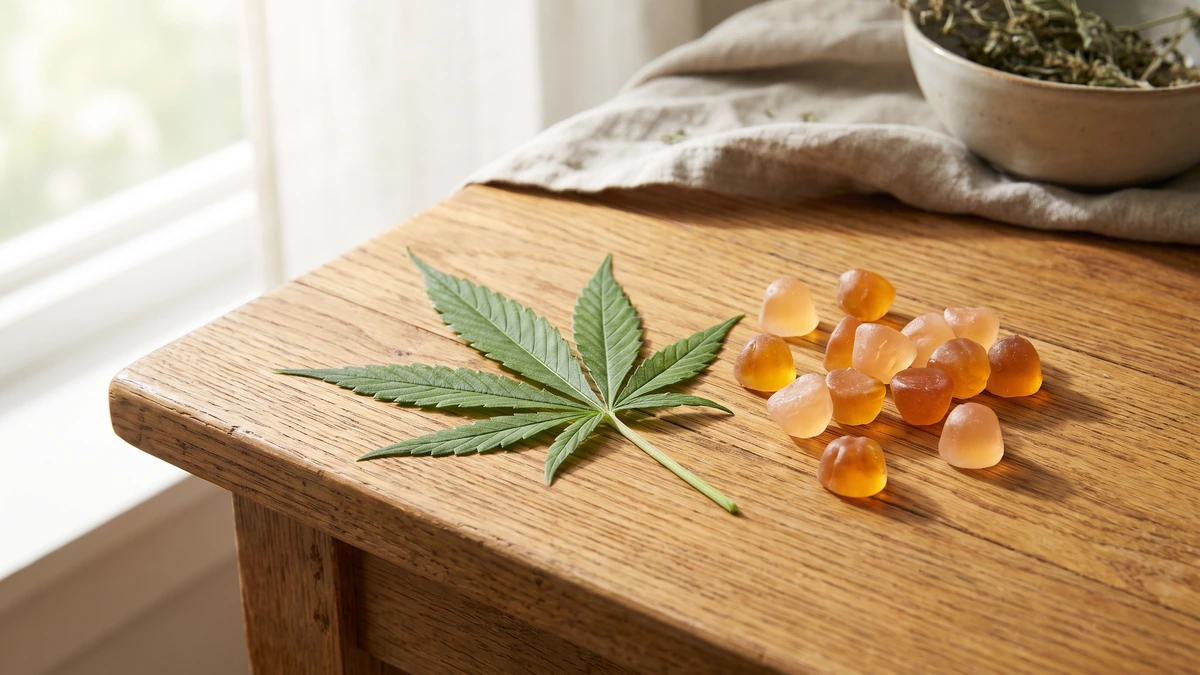
The entourage effect is the idea that cannabinoids and terpenes work better together than alone, and you have seen it on packaging. As a research question it is legitimate. As a blanket marketing claim about any full spectrum formula, it outruns the evidence badly.
What the literature supports is narrower than your packaging suggests. Particular constituents interacting in particular ways on particular outcomes, demonstrated one experiment at a time. What it does not support is the leap that any given retail blend is therefore better than its parts.
Treat the phrase as a hypothesis rather than a feature. When you see it on packaging without a citation, you are reading marketing. Your better filter is the same one that works everywhere else in this category, which is the lab report.
My take: I like ratio products, and I do not like how they are sold. The reason to choose a 1:1 gummy is that you want a specific, modest THC amount with CBD alongside it. The reason should not be a belief that the CBD is a safety net, because the trials keep declining to show one.
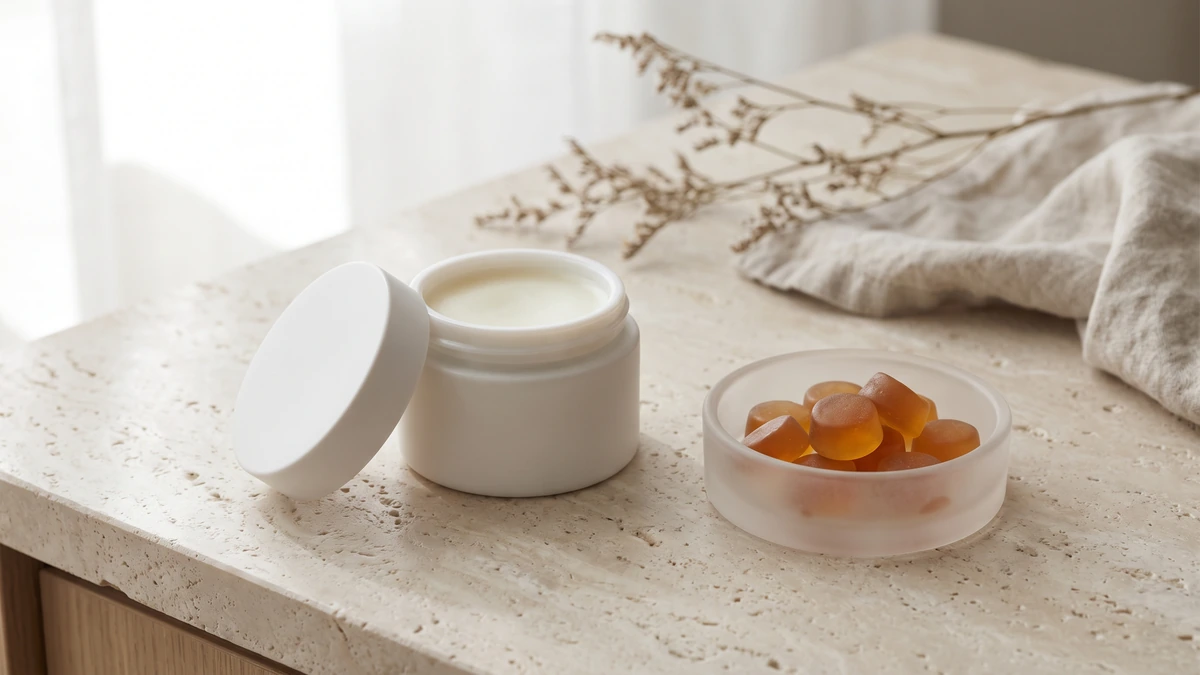
Yes, and the difference is bigger than most labels admit. A gummy you swallow puts both cannabinoids into your system, so the ratio describes what circulates. That is where the intoxication question lives.
A topical is a different situation because it is built to stay local. A 3:1 balm describes the blend sitting on your skin, and conventional topicals are not designed to deliver cannabinoids into your bloodstream. The ratio still tells you about the formula, but the systemic reading does not apply the same way.
That is why you should never map your gummy experience onto a balm or the other way around. If you want the topical version of this story in full, read our guide to what milligram strength means on a CBD topical.
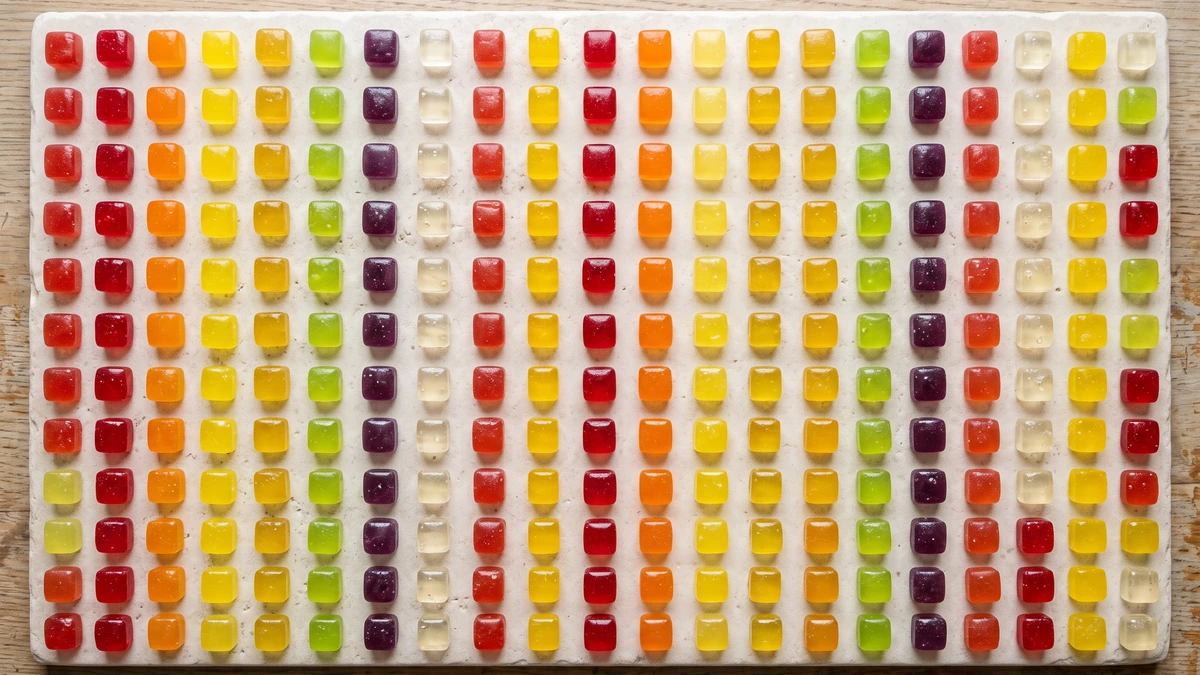
Ratio labelling hides more than it reveals unless you know what to ask. Run every product through these five checks.
Start at the bottom of the strength range whatever your ratio says. Wait at least 90 minutes before deciding anything, because an edible takes its time and the ratio does not speed that up.
Canna Mood by Your Effects puts both cannabinoid amounts on the product page instead of hiding behind a ratio graphic. The 1:1 CBD and THC Blue Razz 10 Pack Gummies give you a balanced format in a resealable pack, and the same blend comes in Strawberry if that is your flavour.
For the topical side of the line, the 1oz 3:1 Topical Balm carries 270MG CBD and 90MG THC, with a 2oz version at double those numbers. Every batch is third-party lab tested and the Certificate of Analysis sits on the product page. If you are still deciding between formats, our roundup of THC gummies worth buying online compares the options.
It means the product contains equal milligrams of cannabidiol and delta-9 THC. The ratio describes the blend and says nothing about total strength. A 1:1 product at 5mg each and a 1:1 product at 25mg each are very different experiences for you.
Controlled trials do not reliably show that it does, so do not count on it for your own use. In one randomized crossover study, participants inhaled 10mg of THC with 0, 10, 20 or 30mg of CBD and adding CBD did not dependably protect them. A 2024 trial found CBD increased psychotropic effects and plasma THC without improving pain relief.
Not automatically. Compare the THC milligrams per serving between the two products rather than assuming the CBD offsets anything for you. A 1:1 gummy with 10mg THC carries twice the THC of a THC-only gummy with 5mg.
A 3:1 blend carries three times as much CBD as THC, which many users choose when they want a smaller proportion of THC in the formula. In topicals such as a balm, the ratio describes what sits on your skin rather than what circulates. Match the ratio to the format and the job.
The research supports specific constituent interactions on specific outcomes, tested one experiment at a time. It does not support treating any full spectrum blend as automatically better than its parts. Read it as a hypothesis under study rather than a product feature you are paying for.
Start at the low end of the THC range, take one serving, and wait at least 90 minutes before considering more. Edibles commonly take 30 to 90 minutes to arrive and the ratio does not change that. Talk with a healthcare professional before adding any supplement to your routine.
Stop buying a ratio and start reading the milligrams. Shop vitamin-enhanced CBD products and the Canna Mood 1:1 and 3:1 line at youreffects.com, where both cannabinoid numbers and the Certificate of Analysis sit on the product page before you buy. Questions go to the Canna Mood FAQ page, info@youreffects.com, or 725.261.5609. Adults 21 and older only.
These statements have not been evaluated by the Food and Drug Administration. These products are not intended to diagnose, treat, cure, or prevent any disease. Hemp-derived products are for adults 21 and older. Check your local laws before purchasing.

Do THC gummies show up on a drug test? Learn what urine screening targets, the cutoff levels that decide your result, and where the real risk actually sits.
Choosing CBD pre-rolls for stress? See what the controlled research shows, why strain names mislead you, and the label checks that matter before you buy.
What does 2000mg on a CBD roll-on actually mean? Learn how topical strength, skin absorption and label accuracy work before you compare any two bottles.
How many mg of CBD should you take? Compare milligrams per serving across gummies, tinctures and topicals, and see why a bigger bottle is not stronger.
Find the best time to take CBD gummies for anxiety, how long they take to work, and how to dial in your dosage. A practical guide from Your Effects.
Your edibles stopped working and you want to know why. Learn how THC tolerance builds through CB1 receptor changes, how long a t-break takes, and smart dosing tips.